COMUNICACIÓN
MARKETING
CONTENIDOS/PM-PROJECT MANAGEMENT
Reconocer la necesidad es la principal condición para el diseño.
-Charles Eames

PORTAFOLIO
(Nacida JESSICA I. CARRIL VILCHES)
© TODOS LOS DERECHOS RESERVADOS
BRANDING
MARKETING
ACTIVATION
CONTENT DIGITAL MARKETING AND TRADITIONAL BRANDING - EXAMPLES
Marketing Activation Methodology

The activation of the brand that differentiates the services and products are easily identified through "The identity" of a trademark this is what allows, not only, to identify the brand but also differentiate it from services and products of companies that are our competition, and are identified either by the logo, colors, messages or shapes by the logo, but above all to generate interest in the customer, The brand value is "activated" by connecting the value of the brand, the product and a positive impression of it, which will later build a strong and favorable opinion due to the synergy, experience, and interaction that the user, client or consumer has with that particular brand and how it will be transmitted to its environment.
These results are generally drawn from data analysis and mental model analysis to determine the depths that motivate users or consumers to differentiate brand preferences in relation to the same product.
The marketing activation, direct -responds marketing, branding engagement are the name of this way it transmits who it is, what it is, what it does, and how it does it. The coordinated design of the different communication agents will ensure that the image is correctly transmitted to the desired audience.
The construction of an image entails the optimization of resources, given that both the packaging, as advertising, the uniforms, furniture, and stationery are all necessary elements for the operation of a business. By transforming them into communication agents, the required investments are maximized. Corporate Image: it is the personality of the company, what symbolizes it, this image has to be printed everywhere that involves the company to give it body, to repeat its image and position it in its market.
Types of Branding
1. Name Brand recognition well-established company will often use the weight of its own name brand to extend to its products in its logo, slogan, or colors. ex: Starbucks, Apple, and Mercedez-Benz
2. Individual Branding Sometimes a larger company may produce products that carry their own weight independent of the parent company. This strategy involves establishing the brand as a unique identity that is easily recognizable. Henkel, produce brands as Ariel, Soft, P&G, etc..

"There is not reason to have an amazing product and a beautiful design,
If there is not the story´s strategy of that stands in only one word..."
Types of Branding
1. Name Brand recognition well-established company will often use the weight of its own name brand to extend to its products in its logo, slogan, or colors. ex: Starbucks, Apple, and Mercedez-Benz
2. Individual Branding Sometimes a larger company may produce products that carry their own weight independently of the parent company. This strategy involves establishing the brand as a unique identity that is easily recognizable. Henkel, produce brands as Ariel, Soft, P&G, etc..
3. Attitude BrandingAmbiguous marketing can often go above the actual product itself in the case of attitude branding. These brands all use strategies that bring to life personality and a customized experience with products and services. ex: Nike made Forbes list of “The World’s Most Valuable Sports Brands 2015,” and are automatically associated with a certain style. Other brands, such as Apple and Ed Hardy, also reflect a customer’s self-expression.
4. “No-brand” Branding
A minimalist approach can speak volumes. No-brand products are often simple and generic in design. The most successful company to establish this marketing method is the Japanese company, Muji, which simply translates to “no label.”
5. Brand Extension
Brand extension occurs when one of your flagship brands ventures into a new market. Say you have a shoe company that is now making jackets, athletic wear, and fragrances. The brand name carries its own identity to your product mix.
6. Private Labels
Store brands—or private labels—have become popular at supermarkets. Retail chains such as Kroger, Food Lion, and Wal-Mart can produce cost-effective brands to compete with larger retailers.
7. CrowdsourcingThese brands are outsourced to the public for brand creation, which allows customers the chance to be involved in the naming process, and effectively drives up personal interest in a product.
Estrategias de Activación de Marketing
Sound media strategy is imperative and understanding your brand and your goals are what we focus on. Our strategists analyze target audiences along with market trends and key competition so we can develop a cost effective and efficient media plan customized to fit your needs. And we tend to ask a lot of questions!
Planning and Buying
Media objectives, strategies, demographics, geography, psychographic variables, qualitative, market weights, competitives, seasonality are just some of the examples we take into consideration.
The message goes to the 'right' audience and minimalize waste. ROI and efficiency are top level goals.
Promotions and added value
Stewardship and High Level Management
Traditional Media
We are adept at all forms of 'old school' media.
* Televsion: National broadcast & cable, satellite, local spot
* Radio: National, local, satellite
* Magazines: Consumer, B-2-B, regional, local, remnant
* Newspapers: National, local, trade, remnant
* Out-of-Home: Billboards, posters, walls, taxi tops, wraps, buses, transit, airport
Cross Platform
We are media agnostic and recommend the media mix that's appropriate for your needs to acheive your goals. We take time in developing your plan and work across all platforms for a totally integrated plan
Multi-Cultural & Niche Expertise
* African
* Hispanic
* Military
* College
* etc
Digital & Social Media
Digital:
* Adwords / Search words
* Programmatic / RTB Digital display banners
* Retargeting, behavorial, content
* Video
* Mobile
* Native
* Digtial radio
* B-2-B
* B-2-C
Social Media:
Social Media Marketing
Social network marketing is becoming a powerful method for generating visits to websites through social networks within internet marketing services. Such Social Media Marketing, also known as Social Network Optimization, is a way to advertise your website on social networks such as Facebook, Twitter, Linkedin, Youtube, Stumbleupon, and so on.
For whom is Social Media Marketing useful?
Nowadays, after the services of Web Positioning and Pay Per Click, Social Network Marketing has become essential for all types of companies. This type of marketing will be of great help to you whether your company is a local, small or international company. It is a very useful method both to promote your services or products on the Internet and to interact with your customers in order to share content, products, services, or information about promotions.
Why is Social Media Marketing important?
Currently, Facebook has more than 845 million active users, Twitter about 350 million and Linkedin about 150 million. Today, most small and large companies have their own profile in social networks, and thanks to these profiles keep in touch and share news with customers and people interested in their activities.

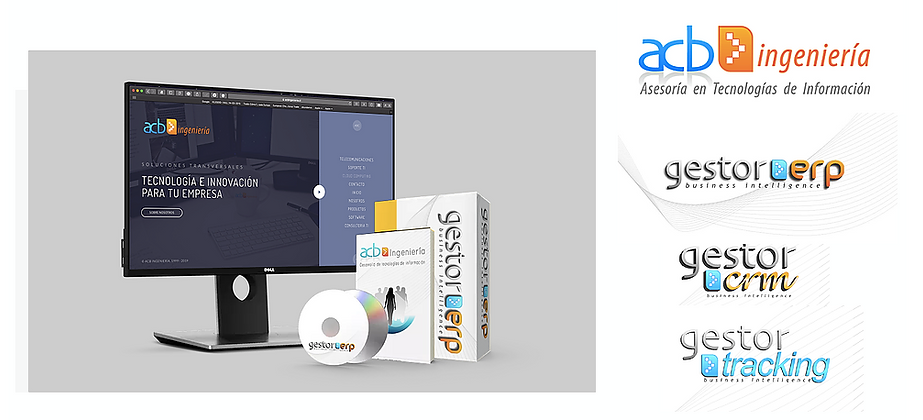
Examples of Jess´Branding:
Naming Product and Design Logo

BRANDING


B
BRANDING

B

BRANDING

BRANDING


BRANDING


BRANDING

BRANDING


BRANDING

BRANDING


